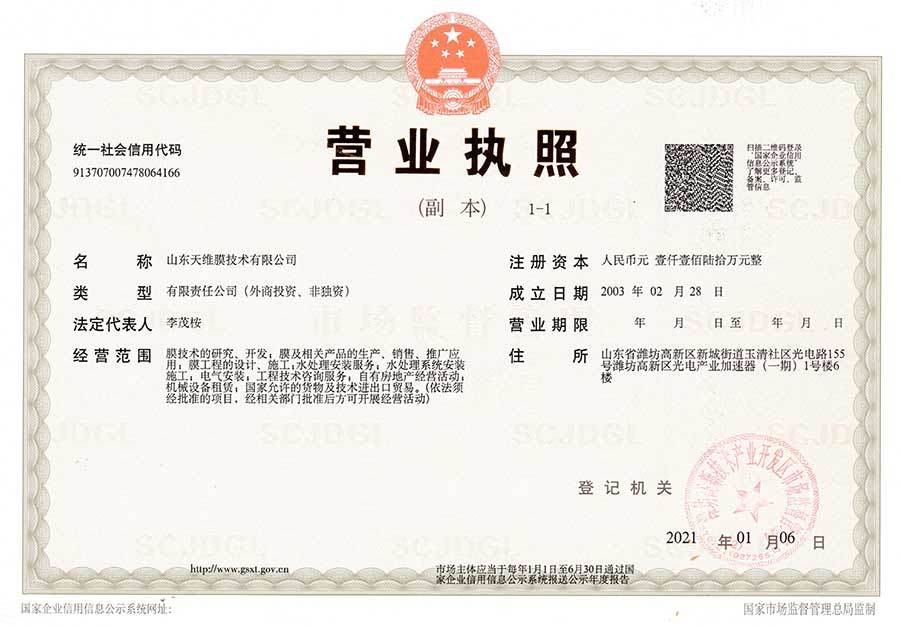

High-salinity Wastewater Treatment by Electrodialysis
Pharmaceutical intermediates and chemical industry-High salt and high COD wastewater treatment project - electrodialysis
Project Introduction

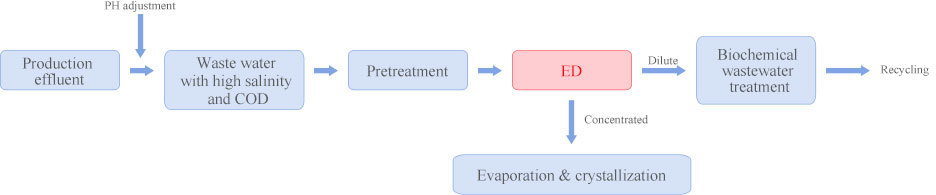
The high inorganic salt content in high salt and high COD wastewater has a strong inhibitory and toxic effect on microorganisms, making it difficult to use biochemical treatment. Excessive COD can cause coking in the evaporator and increase the viscosity of the evaporated mother liquor. High salt and high COD wastewater is difficult to treat using traditional methods. This project uses a homogeneous membrane electrodialysis device to separate salt and COD. The salt in the concentrated water is concentrated to 180g/L and then enters the evaporation system. The freshwater salt on the COD side is reduced to below 2g/L, and the biochemical process can proceed smoothly.
Technological Process
The Project Site

Adhesive fiber industry-Electrodialysis deacidification and alkali removal project
Project Introduction
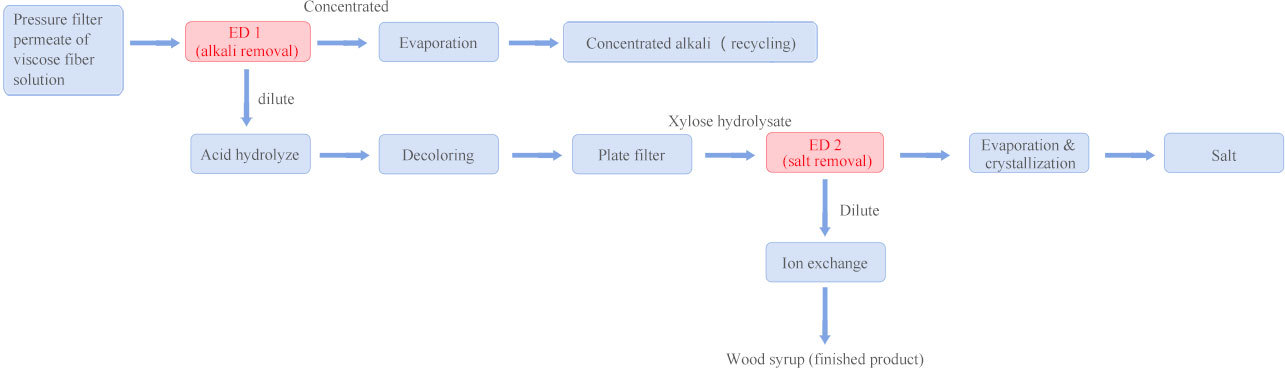
In the production process of adhesive fibers, a large amount of alkali residue from pressing is generated. These residues were previously transferred to sewage treatment plants for acid neutralization, which not only generated a large amount of solid waste but also caused waste of resources. Squeezing alkaline solution is desalinated and reused through electrodialysis. Half fibers undergo acid hydrolysis and electrodialysis desalination purification after desalination to produce xylose. This process is a classic case of industrial waste resource utilization and zero discharge of wastewater. The project has been running continuously for two years and is capable of processing and reusing 200000 tons of high content hemicellulose alkaline pulp annually. This is of great significance for the green transformation of traditional industrial processes.
Technological Process
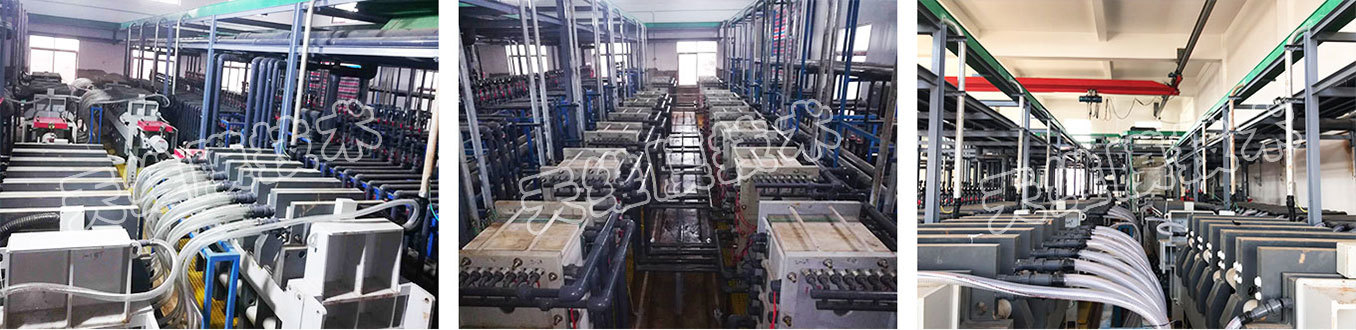
The Project Site

Rare earth catalysis industry-Electrodialysis concentration of sodium nitrate project
Project Introduction
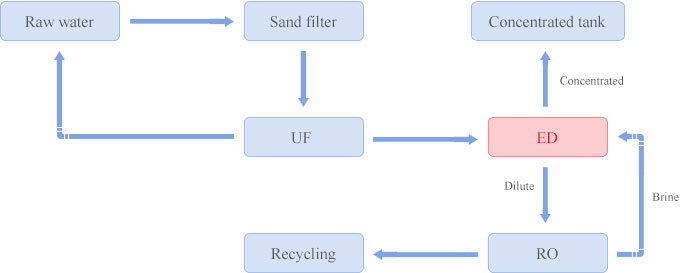
During the production process of rare earth oxide catalysts, a large amount of 3-5% sodium nitrate wastewater is generated. The homogeneous membrane electrodialysis device is used to concentrate sodium nitrate to over 20% and enter the evaporation system. Dilute solution achieves water recycling through reverse osmosis treatment. Homogeneous membrane electrodialysis solves the problem of low concentration ratio of heterogeneous membranes and the inability of some imported homogeneous membranes to resist metal ion pollution, and achieves zero discharge and resource recycling of sodium nitrate containing wastewater.
Technological Process
The Project Site

Refining catalyst industry-Electrodialysis concentration of ammonium nitrate project
Project Introduction
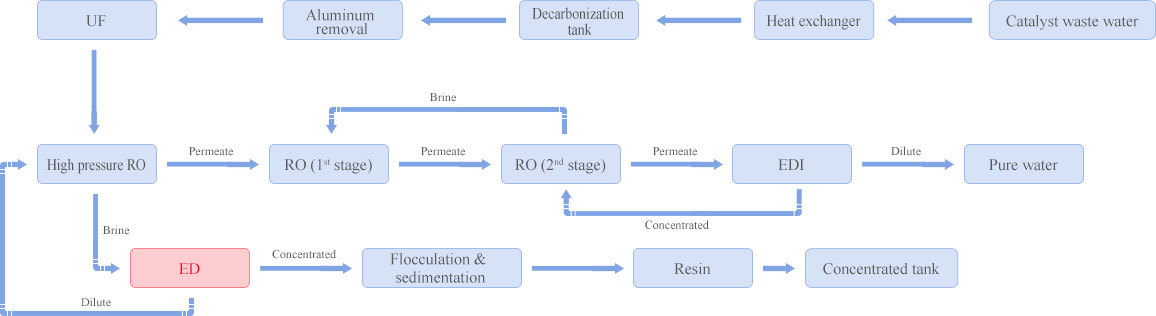
About 3% of ammonium nitrate wastewater is produced in the production process of refining catalysts, which is concentrated and desalinated by a homogeneous membrane electrodialysis device. After the concentration of ammonium nitrate in the concentrated water reaches 20%, it enters the evaporation system. The dilute water is treated by reverse osmosis to achieve water reuse. This process achieves resource utilization and zero discharge of wastewater containing ammonium nitrate.
Technological Process
The Project Site

Nano zirconium industry-Ammonium chloride concentration project by electrodialysis
Project Introduction
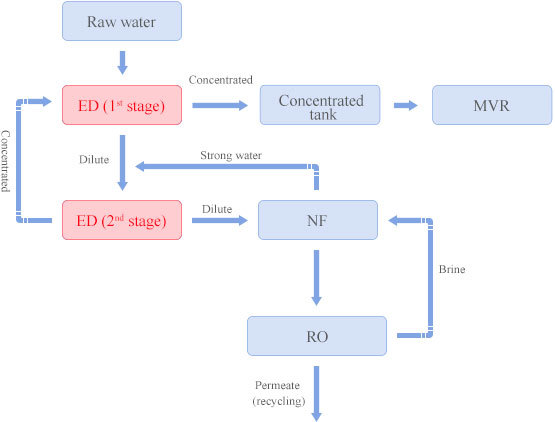
A large amount of high-ammonia wastewater is generated during the production of nano-zirconium, which is neutralized with hydrochloric acid to generate ammonium chloride wastewater. The homogeneous membrane electrodialysis device is used for the treatment. The electrodialysis concentrated water containing 17% ammonium chloride enters the MVR evaporation system to produce ammonium chloride solid for sale, and the dilute water is reprocessed and returned to the workshop for reuse. The project has been operating stably for 5 years, the recovery rate of ammonium chloride in the whole system is >98%, and the recovery rate of water is >98%, achieving zero discharge of salty wastewater.
Technological Process
The Project Site

Zirconia Industry-High salt wastewater zero discharge project by electrodialysis
Project Introduction
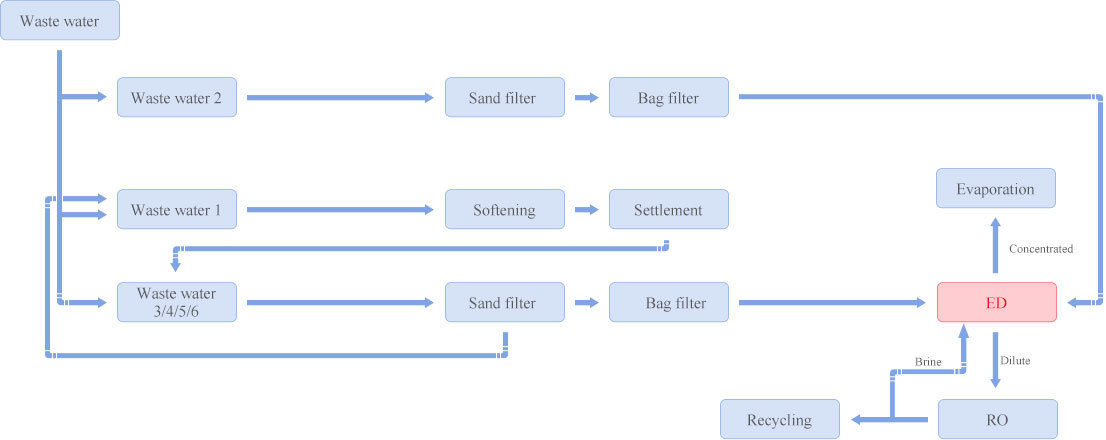
The high-salt waste water produced by the production process of zirconium oxychloride and zirconium carbonate is treated with a homogeneous membrane electrodialysis device and reverse osmosis. The concentrated solution with the concentration above 18% is treated by MVR, the dilute solution is treated by reverse osmosis to achieve water reuse. This process solves the problem of high salt water discharge.
Technological Process
The Project Site

Betaine Industry-Homogeneous Betaine desalination project by electrodialysis
Project Introduction
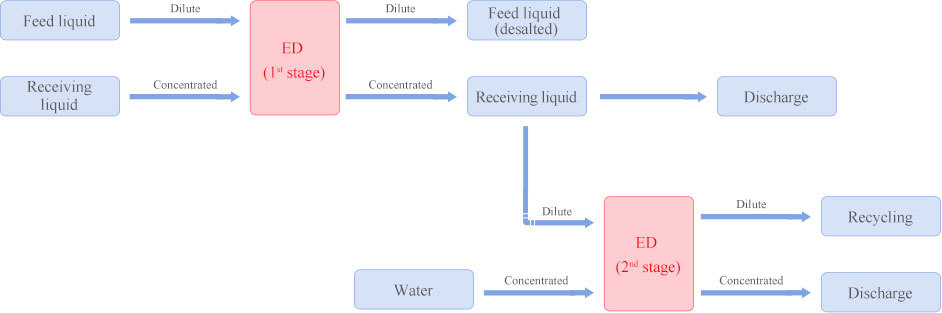
Sodium chloride is by-produced in the synthesis process of betaine. The original process adopts evaporation to separate out salt or heterogeneous membrane electrodialysis to remove salt, which has high operating cost, low desalination rate and low product quality. The use of homogeneous membrane electrodialysis device has the advantages of low operating cost and high desalination rate. At present, the device from Shandong Tianwei Membrane Technology Co., Ltd. has a utilization rate of more than 70% in the betaine industry.
Technological Process
The Project Site

Pesticide production industry-Glufosinate desalination project by electrodialysis
Project Introduction
A homogeneous membrane electrodialysis process is used to separate glufosinate and chloride. The content of glufosinate and chloride in the feed liquid is 18.8% and 3.6%, respectively. After treatment with a homogeneous membrane electrodialysis device, the concentration of glufosinate and chloride in the dilute solution is 21.3% and 0.26%, respectively, and the concentration in the concentrated solution is 0.6% and 3.4%, respectively. This project realizes the separation of glufosinate and chloride, improving the purity of glufosinate. This process is widely applicable and reproducible in the production of glufosinate, and has broad application prospects.
The Project Site

Pickling industry-Wastewater COD and salt separation project by electrodialysis
Project Introduction
During the pickling process of pickled vegetables, a large amount of salt-containing and COD-containing wastewater is produced, and the salt content of the wastewater is 40,000 mg/L. The use of homogeneous membrane electrodialysis device can realize the separation of salt and COD. The salt content of the dilute water is ≤1000mg/L, and then enters the biochemical system; the salt content of the concentrated water reaches 150,000mg/L, which can be reused in the production process.
The Project Site

Flame retardant industry-Sodium bromide wastewater zero discharge project by electrodialysis
Project Introduction
Low-concentration sodium bromide wastewater is produced in the production process of flame retardants. The homogeneous membrane electrodialysis device can be used to concentrate sodium bromide in the wastewater from 1.5% to more than 15%. Then it enters the evaporation device to recover sodium bromide for sale, and the salt content of the dilute water is reduced to 0.1%, which can be directly returned to the process for recycling. The process not only reduces the cost of wastewater treatment, but also realizes the resource recycling of waste.
The Project Site

Chemical industry-Hydrochloric acid concentration project by electrodialysi
Project Introduction
The by-product waste water of the chemical production process contains 3% hydrochloric acid. The direct discharge of the hydrochloric acid waste water will cause serious environmental pollution. Using a homogeneous membrane electrodialysis device, the low-concentration hydrochloric acid can be concentrated to 7% and returned to the original process for reuse. This project solves the problem that low-concentration hydrochloric acid cannot be processed, and at the same time realizes low-cost reuse of dilute hydrochloric acid.
The Project Site

Metallurgical Industry-Sulfuric acid concentration project by electrodialysis
Project Introduction
The production system of lead zinc smelting acid and the wet smelting workshop emit a large amount of polluted acid. The traditional neutralization process generates a large amount of waste residue. The homogeneous membrane electrodialysis device can concentrate acid to more than 10%, and then enter the evaporation system for further concentration and recycling. The recycling rate of acid exceeds 90%. The dilute solution is recycled in the flue gas purification section, and the water recycling rate exceeds 60%. This process achieves efficient recovery of acid and water resources, and greatly reduces the generation of solid waste.
Technological Process

The Project Site
Contact Us
Address: 155 Incubation Two Lane, Photoelectric Industrial Park, Weifang High-tech Zone, Shandong
Production base: 00699 North Wisdom Third Street, Weifang Binhai Economic and Technological Development Zone
Tel: +86-536-8895639 +86-16605366009
Fax: +86-536-8861088
Mailbox: wx@sdtianwei.com